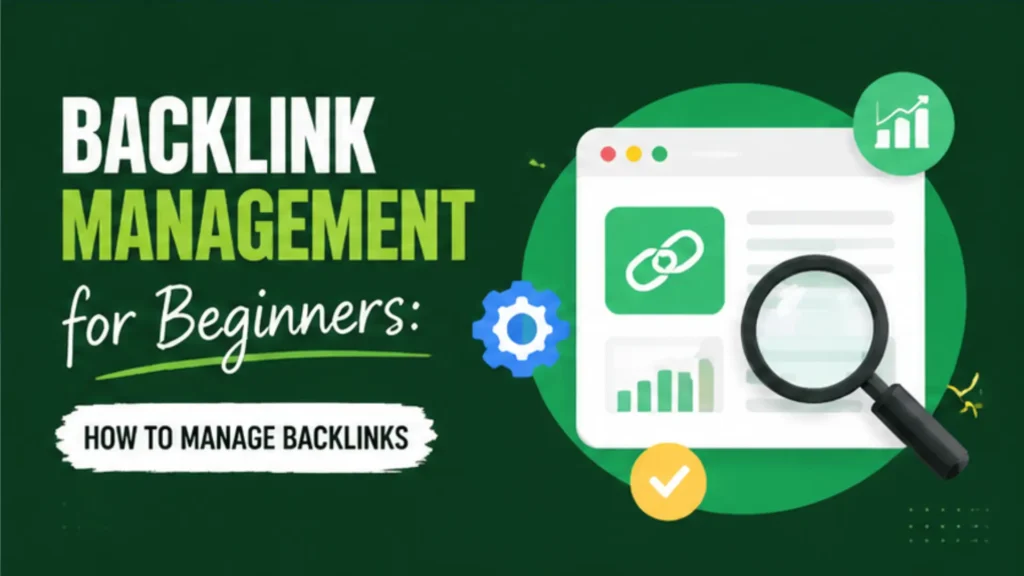
Backlink management is one of the most important parts of SEO today. It helps you control the quality of links pointing to your website. Good backlinks improve rankings, while bad ones can harm your site. Many businesses also combine backlink management with off-page SEO services to build authority faster. In this guide, you’ll learn how to manage backlinks effectively and improve your SEO results step by step.
What is Backlink Management?
Backlink management is the process of tracking, analyzing, and optimizing backlinks to improve a website’s SEO performance. It includes identifying high-quality links, removing harmful ones, and building new backlinks. Proper backlink management ensures your website maintains a strong and healthy link profile.
Why Backlink Management is Important for SEO
Backlink management improves your website’s trust and visibility in search engines. Search engines use backlinks as a ranking signal. However, poor-quality links can hurt your rankings.
Many brands now combine backlink strategies with Digital PR SEO to earn high-authority mentions from trusted websites.
Key benefits:
- Improves keyword rankings
- Builds domain authority
- Prevents penalties
- Strengthens long-term SEO
Example: A SaaS website improved traffic by focusing on relevant backlinks and PR-driven link building.
How to Manage Backlinks Effectively (Step-by-Step)
Step 1: Audit Your Backlinks
Start by reviewing all backlinks pointing to your website. Identify high-quality and low-quality links.
Step 2: Identify Toxic Links
Look for spammy or irrelevant backlinks that can harm your SEO.
Step 3: Remove or Disavow Bad Links
Contact site owners or use Google’s disavow tool.
Step 4: Build High-Quality Backlinks
Work with a trusted link-building agency or use outreach strategies like guest posting and partnerships.
Step 5: Monitor Backlinks Regularly
Track new and lost backlinks weekly to maintain performance.
Tip: Consistency in backlink tracking improves rankings over time.
Disavow Backlinks: When to Do It and When to Avoid
When and Why You Should Disavow Backlinks
Disavow backlinks are an important part of backlink management that helps protect your website from harmful links. It means telling Google to ignore low quality or spammy backlinks that may negatively affect your search engine rankings. Using Google Search Console, you can submit these links and maintain a healthy backlink profile.
When You Should Disavow Backlinks
Spammy or Low Quality Backlinks
If your website has backlinks from irrelevant or low authority sites, disavowing them helps improve link quality and SEO performance.
Google Manual Penalty
If you receive a manual action for unnatural links, disavowing toxic backlinks is necessary to recover rankings.
Sudden Drop in Rankings or Traffic
A decline in rankings may signal harmful backlinks. Backlink analysis helps identify and remove them.
Negative SEO Attacks
If spam backlinks are created to harm your site, disavowing protects your domain authority.
Unable to Remove Links Manually
When outreach fails to remove harmful links, disavowing becomes the best option.
When You Should Avoid Disavowing Backlinks
High Quality or Relevant Backlinks
Do not disavow backlinks from trusted or relevant websites, as they improve your SEO and authority.
Natural Low Authority Links
Not all low authority links are harmful. Many are natural and do not need to be removed.
Without Proper Backlink Analysis
Disavowing links without careful analysis can harm your rankings more than help.
Temporary Ranking Fluctuations
Short term drops in traffic are normal. Avoid disavowing unless you confirm toxic backlinks.
As a Regular Practice
Disavow should not be used frequently. It is a last resort in backlink management, not a routine task.
How to Handle Backlinks the Right Way
Focus on earning high quality backlinks, regular link monitoring, and maintaining a strong backlink profile. Use disavow only when necessary to protect your website and ensure long term SEO success with steady organic traffic growth.
Backlink Management Checklist (Actionable)
Use this checklist to stay on track:
- Audit backlinks every month
- Remove toxic links
- Track lost backlinks weekly
- Build 2–5 quality backlinks monthly
- Focus on niche-relevant websites
- Combine efforts with off-page SEO services for better results
This helps maintain a strong backlink profile.
Best Backlink Management Tools for Beginners
The right tools make backlink management easier:
- Ahrefs – Backlink analysis and competitor research
- SEMrush – Backlink audits and toxic link detection
- Google Search Console – Free backlink tracking
- Moz – Domain authority insights
These tools are often used by agencies offering Digital PR SEO campaigns.
Common Backlink Mistakes to Avoid
Avoid these mistakes:
- Buying low-quality backlinks
- Ignoring toxic links
- Not tracking backlinks
- Focusing only on quantity
- Not using expert help like a link-building agency when scaling
Tip: Quality always beats quantity.
How to Track and Monitor Backlinks
Backlink tracking helps you measure SEO success.
To monitor effectively:
- Use tools like Google Search Console or Ahrefs
- Track new and lost backlinks
- Analyze referring domains
- Check anchor text distribution
Weekly tracking improves long-term SEO results.
FAQs
What is backlink tracking?
Backlink tracking is monitoring links pointing to your website to maintain SEO performance.
How do I start backlink management?
Start with a backlink audit, remove toxic links, and build quality backlinks.
Are backlinks still important in 2026?
Yes, but quality and relevance matter more than ever.
What are off-page SEO services?
Off-page SEO services include link building, outreach, and brand mentions to improve authority.
Conclusion
Backlink management is key to building a strong SEO strategy and improving search engine rankings. By focusing on high quality backlinks, link building, and regular backlink analysis, you can strengthen your website authority. Effective link monitoring and link tracking help identify toxic backlinks and protect your backlink profile. Using smart SEO tools and maintaining link quality ensures long term growth. Consistent backlink management also boosts domain authority and organic traffic. Focus on earning relevant backlinks from trusted sources. A well planned backlink management strategy leads to sustainable SEO success.