Many businesses struggle to find the right marketing approach, often feeling overwhelmed by the sheer number of strategies, tools, and platforms available. If you’re just starting out or looking to refine your existing marketing efforts, it can be difficult to know where to focus your attention. Without a solid grasp of marketing fundamentals, it’s easy to waste time and resources on ineffective strategies, leading to frustration and slow growth.
But understanding the core principles of marketing can help you avoid these pitfalls. In this article, we’ll cover the key marketing fundamentals you need to know, including the 4 P’s of marketing, insights into consumer behavior, and effective digital strategies. By the end, you’ll have a clear framework to help you make smarter marketing decisions, connect with your audience, and grow your business more effectively.
What Are Marketing Fundamentals and Why Do They Matter?
Marketing fundamentals refer to the foundational concepts and strategies that form the basis of effective marketing campaigns. They’re not just buzzwords or abstract theories; they’re essential tools that guide businesses in crafting compelling messages, building brands, and connecting with their target audience.
In short, marketing fundamentals help businesses grow by:
- Creating a clear marketing strategy.
- Understanding and influencing consumer behavior.
- Enhancing product offerings to meet market demand.
By mastering these principles, businesses can attract new customers, retain loyal ones, and ultimately drive long-term growth.
The Core Principles of Marketing Fundamentals
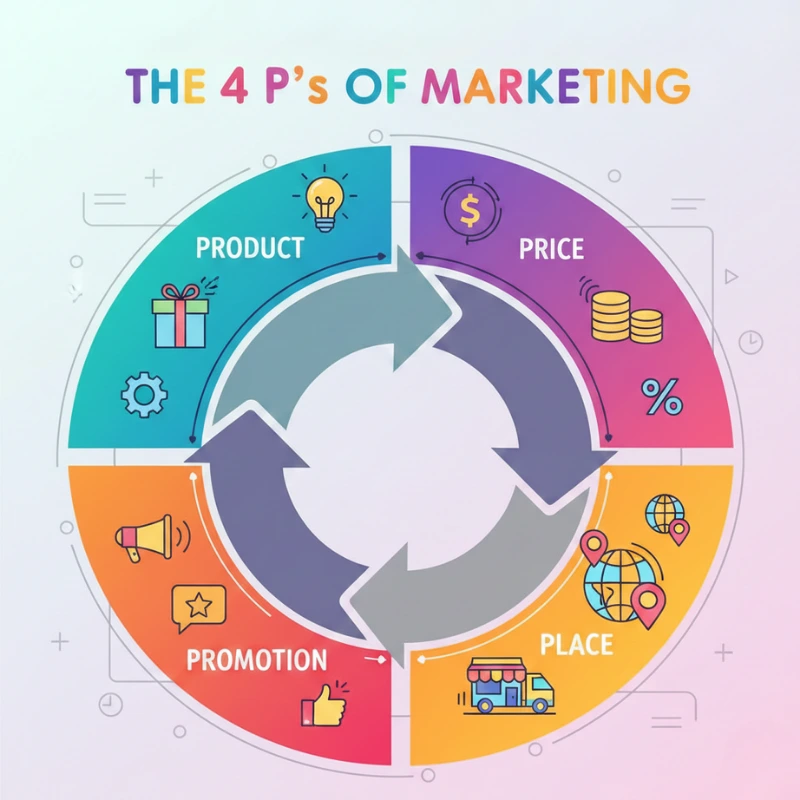
One of the cornerstones of marketing fundamentals is the 4 P’s. Let’s break down each component:
- Product: Your product is the heart of your marketing strategy. It needs to meet the needs and wants of your target audience. From product design to quality, every aspect must be carefully crafted to create value for your customers.
- Price: The price you set for your product influences both customer perception and your profit margins. Whether you’re employing a premium pricing strategy or a value-based approach, understanding pricing dynamics is crucial for maximizing sales and competitiveness.
- Place: This refers to how and where your product is made available to customers. From physical stores to e-commerce websites, your distribution channels must align with customer preferences to ensure accessibility and convenience.
- Promotion: Effective promotion ensures your audience knows about your product and how it benefits them. Whether through digital ads, social media, or traditional advertising, promotion is about building awareness and driving action.
Segmentation, Targeting, and Positioning (STP)
Segmentation, Targeting, and Positioning (STP) are three critical concepts in marketing fundamentals that help businesses understand their market better.
- Segmentation: This involves dividing the broader market into smaller segments based on demographics, behavior, or geography. This allows for tailored marketing strategies that speak directly to the specific needs of each group.
- Targeting: Once segments are identified, businesses can choose which segments to focus on. Effective targeting ensures marketing efforts are concentrated on the most profitable or receptive audience.
- Positioning: Positioning is how your brand or product is perceived in the marketplace. Strong positioning sets your product apart from competitors and creates a unique value proposition in the minds of consumers.
How Marketing Fundamentals Shape Consumer Behavior
Understanding consumer behavior is a fundamental aspect of effective marketing. By knowing what drives your customers’ decisions, you can tailor your marketing efforts to meet their expectations and influence their purchasing behavior.
The Psychology Behind Consumer Decisions
Consumer decisions aren’t always purely rational. Emotions, social influences, and personal preferences play a significant role in purchasing choices. Marketers leverage consumer psychology to create persuasive campaigns that appeal to both emotional and logical drivers of decision-making.
Understanding Consumer Needs vs. Wants
To better cater to your audience, it’s essential to understand the difference between needs, wants, and demands:
- Needs: Basic essentials, such as food, shelter, or health products, that consumers must fulfill.
- Wants: Desirable items that go beyond the basic necessities but are not essential for survival.
- Demands: When a consumer’s wants are backed by purchasing power, they become demands.
“Marketing is no longer about the stuff that you make but the stories you tell.” – Seth Godin, All Marketers Are Liars (This quote emphasizes the importance of understanding consumer needs and crafting a message that resonates with the audience.)
The Role of Marketing Strategies in Achieving Business Success
A well-thought-out marketing strategy is key to translating the theory of marketing fundamentals into tangible results.
Creating a Solid Marketing Strategy
Developing a marketing strategy involves several key steps:
- Identifying your audience: Know who you’re marketing to. Define their demographics, behavior, and preferences.
- Setting clear goals: Your strategy should have measurable objectives, such as increasing sales, brand awareness, or customer loyalty.
- Choosing the right channels: Whether it’s social media, email, SEO, or paid advertising, selecting the right channels ensures your message reaches the right audience.
Aligning Strategy with Your Business Vision
A successful marketing strategy should align with your broader business goals. When marketing efforts are in sync with company objectives, it helps create a consistent brand experience, foster customer loyalty, and drive growth.
Digital Marketing Fundamentals for the Modern Business

As businesses increasingly move online, understanding digital marketing fundamentals has become critical to long-term success.
Leveraging Digital Channels to Drive Growth
There are various digital channels available for marketers, including:
- SEO (Search Engine Optimization): Optimizing your website for search engines helps drive organic traffic and improves visibility.
- Content Marketing: Creating valuable, relevant content that educates and engages your audience can establish your brand as an authority.
- Social Media: Platforms like Facebook, Instagram, and LinkedIn allow businesses to connect with customers, promote products, and drive engagement.
SEO, Content Marketing, and Social Media
SEO, content marketing, and social media are intertwined. By creating high-quality content optimized for search engines and sharing it on social platforms, you increase your chances of being discovered by a wider audience.
“Content is fire; social media is gasoline.” – Jay Baer, Youtility (This quote underscores the critical role content and social media play in the modern marketing ecosystem.)
Measuring Marketing Success: Key Metrics and KPIs
No marketing campaign is complete without evaluating its success. This is where marketing metrics come in.
What Are Marketing Metrics?
Key performance indicators (KPIs) like ROI, customer acquisition cost (CAC), and customer lifetime value (CLTV) help marketers track performance and make data-driven decisions.
Tools for Analyzing Marketing Campaigns
Use tools like Google Analytics and SEM Rush to monitor your campaigns. Regular analysis helps identify what’s working and what needs improvement.
Overcoming Common Marketing Challenges
Marketing isn’t always smooth sailing. Here are a few challenges marketers often face:
Adapting to Changes in Consumer Behavior
Consumer behavior is constantly evolving. Marketers must stay flexible, embrace new trends, and quickly adapt their strategies.
Budgeting and Resource Allocation
Effective budget allocation ensures that your marketing resources are used in the most impactful way possible. Whether it’s advertising spend or content creation, managing your marketing budget is crucial to maximizing ROI.
Dealing with Market Competition
In a competitive landscape, differentiation is key. Whether through product innovation, unique branding, or customer service, standing out from your competitors is essential.
The Future of Marketing Fundamentals
Emerging Trends in Marketing
As we move into 2026, several marketing trends are shaping the future, including:
- Artificial Intelligence (AI): AI is enabling more personalized marketing and customer service experiences.
- Marketing Automation: Automating marketing tasks like email campaigns and social media posting is helping businesses save time and improve efficiency.
Preparing for the Future of Marketing
To remain relevant in the future, marketers must continuously adapt to new tools, platforms, and trends. Ongoing learning is key to staying competitive.
Expert Tips for Maximizing Your Marketing Success in 2026
As an SEO expert, here are some key tips for ensuring your marketing strategy delivers maximum value:
- Focus on Customer-Centric Content: The best marketing campaigns speak directly to the customer’s needs and desires. Ensure your content answers questions, provides value, and is tailored to your target audience.
- Invest in SEO for Long-Term Results: Organic search is one of the best ways to drive sustained traffic. Optimize your website’s structure, content, and keywords to appear at the top of search results. Tools like Google Search Console and Ahrefs are essential for tracking your website’s SEO performance.
- Utilize Data to Guide Decisions: Analytics tools provide real-time data that allows you to refine your strategies. Regularly track KPIs like conversion rates and bounce rates to adjust your campaigns and optimize performance.
- Leverage Automation for Efficiency: Automation tools such as HubSpot or Marketo help streamline your marketing processes, from email marketing to social media management, allowing you to focus on strategic initiatives.
- Test and Iterate: A/B testing is vital for understanding what resonates with your audience. Regularly test your headlines, calls-to-action (CTAs), and even the design of your landing pages to improve conversion rates.
“The best marketing doesn’t feel like marketing.” – Tom Fishburne (This quote perfectly captures the essence of modern marketing, creating meaningful connections with your audience rather than just pushing a product.)
FAQs About Marketing Fundamentals
What are the basic principles of marketing?
The core principles include the 4 P’s: Product, Price, Place, and Promotion, along with strategies like Segmentation, Targeting, and Positioning (STP).
How do I create a marketing strategy for my business?
Start by identifying your target audience, setting clear goals, and choosing the right marketing channels to reach your audience.
What are the most important digital marketing channels?
SEO, content marketing, social media, and email marketing are the most effective digital marketing channels.
Why is consumer behavior important in marketing?
Understanding consumer behavior helps marketers create strategies that resonate with their audience, driving purchases and loyalty.
How can I measure the success of my marketing efforts?
Key performance indicators (KPIs) like ROI, customer acquisition cost (CAC), and customer lifetime value (CLTV) are essential for measuring success.
Conclusion: Mastering Marketing Fundamentals for Long-Term Success
Mastering marketing fundamentals is the first step in creating a successful and sustainable business. Whether you’re just starting out or refining your existing strategies, understanding the core principles of marketing is crucial for staying ahead of the competition.
Actionable Takeaways:
- Start by assessing your current marketing strategy.
- Focus on understanding your customers’ needs and behavior.
- Experiment with digital marketing strategies like SEO and content marketing to reach new audiences.