Inbound marketing is a strategy focused on creating valuable content and experiences that naturally attract customers to your business. Unlike traditional marketing methods, which often push messages out to a wide audience, inbound marketing pulls in people who are already searching for solutions to their problems. By providing the right information at the right time, businesses can build long-term relationships with their audience, generate high-quality leads, and grow sustainably.
In this blog, we’ll explore the core concepts of Inbound methodology, how it works, and why it’s crucial for businesses looking to succeed in today’s business environment.
What Is Inbound Marketing?
Inbound marketing is a customer-centric approach that focuses on attracting potential customers through useful content and experiences. Rather than pushing advertisements onto consumers, inbound marketing draws people in through content that addresses their needs and interests. The goal is to provide value first and build trust with customers over time.
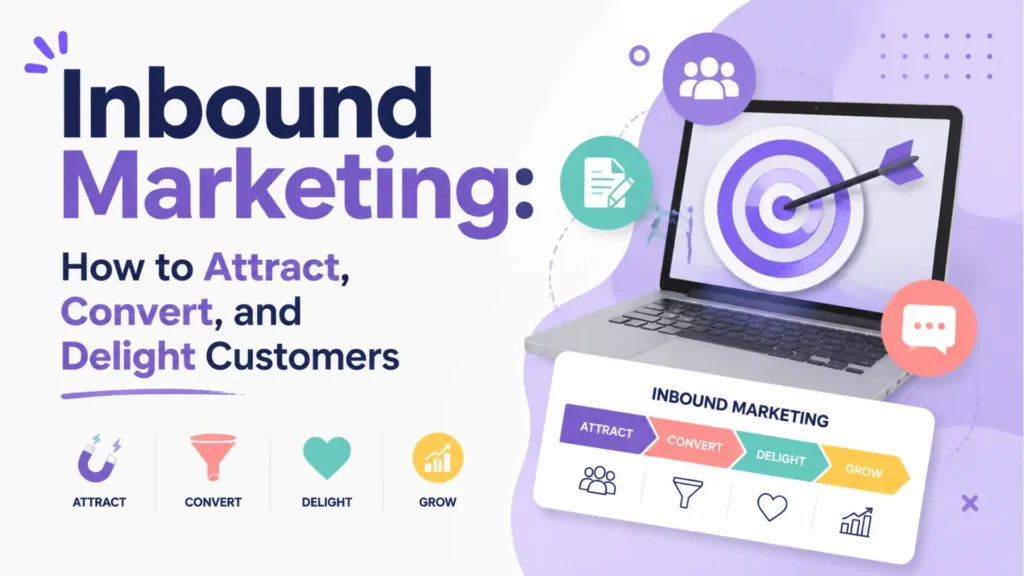
The inbound methodology can be broken down into four stages: Attract, Convert, Close, and Delight. This approach is designed to guide prospects through the buyer’s journey, from discovering your business to becoming loyal advocates.
Inbound Marketing vs. Outbound Marketing: Why Inbound is More Effective
| Feature / Aspect | Outbound Marketing | Inbound Marketing |
| Approach | Pushes messages through ads, cold calls, and direct mail | Pulls people in through valuable content, SEO, and engagement |
| Audience Targeting | Often broad and untargeted, leading to lower-quality leads | More targeted, focusing on people already searching for solutions |
| Cost | Can be expensive with high upfront costs for ads | Typically more cost-effective with long-term ROI from content creation |
| Relationship Building | Transactional, with little focus on long-term relationships | Focuses on building trust and long-term engagement |
| Sustainability | Campaign-based, with results fading when ads stop | Ongoing benefits from content that continues to attract traffic and leads |
How Inbound Marketing Works: The Four-Step Methodology
Inbound methodology revolves around four key stages, each designed to guide prospects through a seamless journey from awareness to advocacy.
1. Attract
The first step in inbound marketing is to attract potential customers. This is done by creating valuable content that resonates with your audience’s needs. Examples of content include:
- Blog posts, articles, and eBooks
- Video tutorials and webinars
- Infographics and case studies
By using SEO (Search Engine Optimization) and social media, businesses can ensure their content reaches the right people at the right time.
2. Convert
Once visitors land on your site, the next goal is to convert them into leads. This is typically done by offering something of value in exchange for their contact information, such as:
- Downloadable guides or checklists
- Free consultations or assessments
- Email subscriptions for regular updates
Well-placed calls to action (CTAs) and optimized landing pages help move visitors further down the sales funnel.
3. Close
In the closing stage, you turn those leads into customers. This involves using lead nurturing tactics such as:
- Personalized email campaigns
- Marketing automation to send timely follow-ups
- Sales team collaboration to guide leads through the final decision-making process
By understanding customer behavior and leveraging CRM (Customer Relationship Management) systems, businesses can close more deals effectively.
4. Delight
The final stage is focused on keeping your customers happy and turning them into brand advocates. This involves:
- Providing exceptional customer service
- Engaging with customers through surveys, feedback, and support
- Creating loyalty programs or offering exclusive content
Happy customers are more likely to refer others, leave positive reviews, and continue purchasing from your business.
Key Components of an Inbound Marketing Strategy
For inbound marketing to be successful, several components must work together to provide a cohesive strategy.
- Content Marketing
Content is the foundation of inbound marketing. Create content that educates, entertains, and addresses the problems your target audience is facing. This can include blogs, podcasts, videos, and downloadable resources. - Search Engine Optimization (SEO)
SEO helps your content rank higher in search engines, making it easier for potential customers to find your business. Focus on keyword research, on-page optimization (like meta descriptions and headings), and link-building strategies to improve your visibility. For more tips on on-page SEO, follow these tips in our dedicated blog to enhance your website’s performance. - Social Media Engagement
Social media platforms are ideal for promoting your content and interacting with your audience. Share valuable posts, respond to comments, and engage in conversations that build trust and loyalty. - Lead Generation and Nurturing
Use lead magnets, optimized landing pages, and forms to capture leads. Once you have their information, nurture these leads through automated emails, personalized content, and targeted offers. - Analytics and Measurement
Measure the success of your inbound efforts with tools like Google Analytics, HubSpot, and social media insights. Track key metrics such as website traffic, conversion rates, and customer acquisition cost (CAC) to refine and improve your strategy.
The Benefits of Inbound Marketing
Inbound methodology offers many benefits for businesses that focus on long-term, sustainable growth.
- Cost-Effective
Compared to traditional outbound methods, inbound marketing often has a lower cost per lead. Once your content is created, it continues to attract leads over time, making it a highly cost-efficient strategy. - Higher-Quality Leads
Inbound marketing attracts people who are already interested in your product or service. This means the leads you generate are more likely to convert into customers. - Improved Customer Trust
By offering valuable content and addressing your audience’s needs, you can build credibility and trust. Over time, this can lead to stronger relationships and better brand loyalty. - Sustainability and Long-Term Growth
Inbound marketing focuses on building long-term relationships with customers, which leads to repeat business, customer advocacy, and referrals.
How to Build a Successful Inbound Marketing Campaign
Building a successful inbound marketing campaign requires careful planning and execution. Here are the steps to get started:
- Set Clear Goals
Define what success looks like for your business. Whether it’s increasing website traffic, generating leads, or improving conversion rates, having clear goals helps guide your strategy. - Create a Content Strategy
Develop a content calendar that aligns with your audience’s interests and needs. Plan blog posts, videos, and social media updates around relevant topics. - Optimize for SEO
Conduct keyword research and optimize your content for search engines. This will help ensure your content is discoverable by people searching for solutions in your industry. - Leverage Social Media
Promote your content through social media platforms. Engage with your audience, share relevant updates, and encourage conversations. - Nurture Leads
Use email marketing and marketing automation to nurture leads and guide them through the buyer’s journey. - Measure and Refine
Continuously track the performance of your campaigns. Use analytics to see what’s working and make adjustments as needed.
10 Companies Known for Effective Inbound Marketing
Here are 10 companies and agencies recognized for their expertise in Inbound methodology:
- Leemjaz – A marketing agency offering a full suite of inbound services, including organic SEO, link building, and social media management, tailored to help businesses build an online presence and grow their customer base.
- HubSpot – The pioneers of inbound marketing, offering a range of tools for content creation, SEO, lead generation, and automation.
- SmartBug Media – A full-service inbound marketing agency known for its expertise in content creation, SEO, and automation.
- New Breed – Specializes in revenue performance for B2B companies, focusing on content marketing and lead nurturing.
- IronPaper – Known for its growth-driven approach, IronPaper focuses on lead generation and conversion optimization.
- GrowthRocks – Offers growth-driven inbound marketing strategies, particularly for SaaS and tech companies.
- Kuno Creative – A HubSpot Diamond Partner offering inbound marketing, automation, and content services.
- Bop Design – Combines web design with inbound marketing strategies, focusing on lead generation and branding.
- Lean Labs – A growth-driven inbound marketing agency known for its data-driven strategies and lead generation expertise.
- Directive – A digital marketing agency specializing in SEO, content marketing, and inbound marketing campaigns.
Conclusion
Inbound marketing is a powerful, sustainable strategy that helps businesses attract, convert, and delight customers over time. By focusing on creating valuable content, optimizing for search engines, and nurturing relationships, businesses can build a loyal customer base and achieve long-term growth. Whether you’re just starting out or looking to refine your approach, Inbound methodology can help you grow your business in a cost-effective, measurable way.